Inclusive education in India
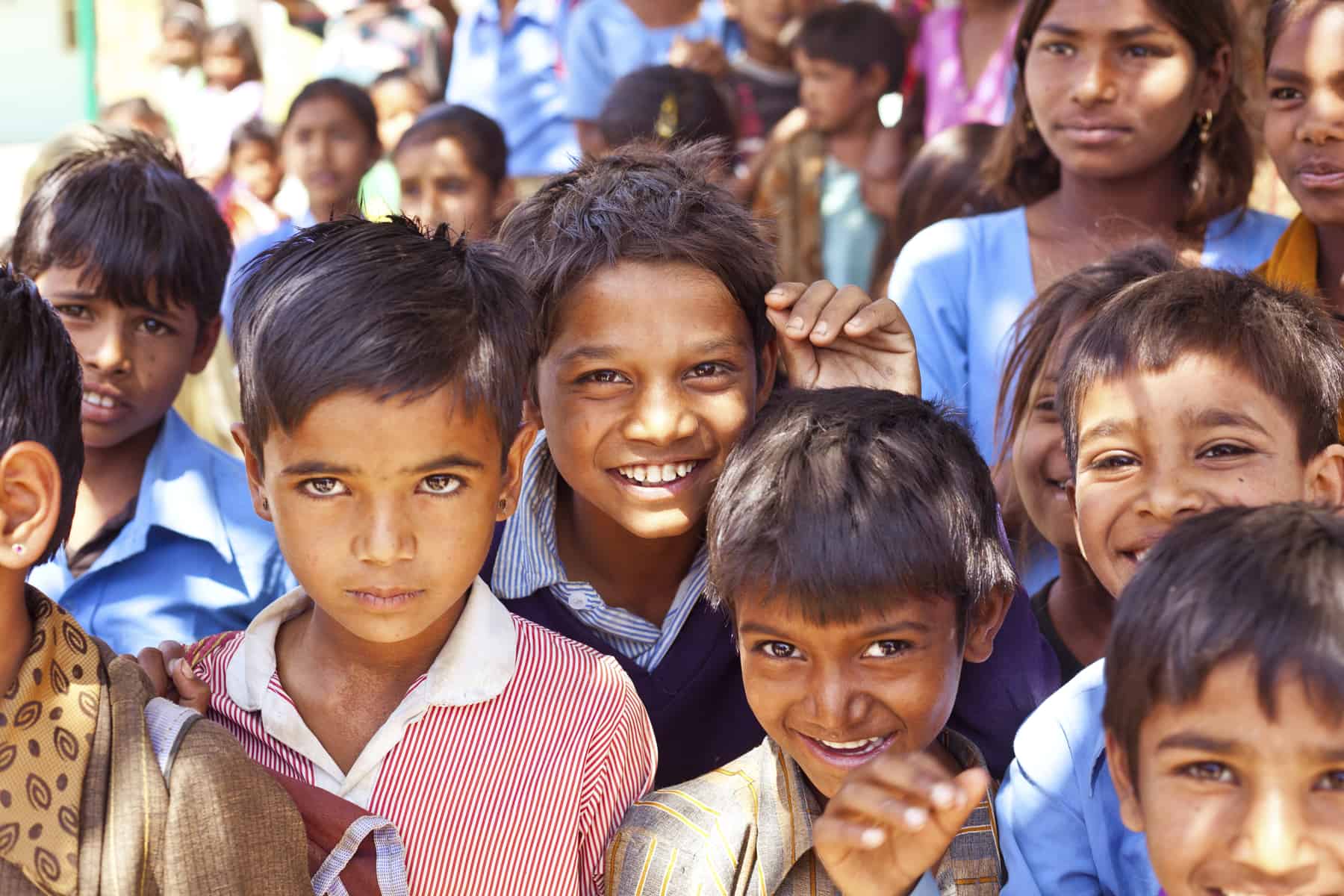
Inclusive Education in India
After independence in 1947, the Government of India created several policies in terms of special education. Although the Government of India has attempted to create policies that are inclusive for people with disabilities, their implementation efforts have not resulted in an inclusive system of education, nor have they reached their goal of “education for all” across the country. The Government of India needs to bridge the gaps in their education system to build a strong system of inclusive education in India.
It is important to note that within government documents and scholarly publications in India, the three different terms-segregation, integration and inclusion-are often used interchangeably. This could stem from a variety of reasons, although a lack of education, lack of skilled persons, and lack of awareness on the original meanings connected to the words seems to be the most logical explanation.
Policy in India has always leaned towards inclusion. From the constitution to the Kothari Commission in the early days of the republic, to the 2005 Action Plan for Children and Youth with Disabilities and the 2006 National Policy for People with Disabilities recently, the Indian government tends to write inclusive policies on education. However, these policies often are not perfectly inclusive. Many of them tend to discriminate against people with “severe” disabilities, or people with intellectual disabilities.
Statistics on disability in India vary widely, and accuracy of statistics is always questionable since still many families do not reveal the truth if they have any children with disabilities in the family. They feel segregated from the mainstream society. However, almost all of the statistics available point to the gaps in the education system, the marginalization of children with disabilities, and the need of the Government of India to step up their efforts to reach their goal of “right to education.” There is always controversy in terms of mainstream versus special schooling. Still, at present, the policies governing the education system are inclusive. At present, the problem is with implementation of the said policy and moreover educating the mainstream teachers who need to change the attitude.
Curriculum is another area that needs a makeover. There is no curriculum for children with special needs to help them remain in the mainstream education. This creates a segregation between people with and without disabilities.
Another area that needs to be explored is testing. India has extremely rigid assessments and examinations, which stems from their dependence on a British-style education system. Although some alternative mediums of testing are available to accommodate students with disabilities, adaptations of tools, medium and methodology of assessment are all grey areas.
The need of the hour is to end the differences between words like special education, regular education, and inclusive education.

No comments:
Post a Comment